Most enterprise products struggle to serve the business and the user equally. I've spent 12 years focused on closing that gap.
Human-Centered Design. Business-Driven Outcomes.
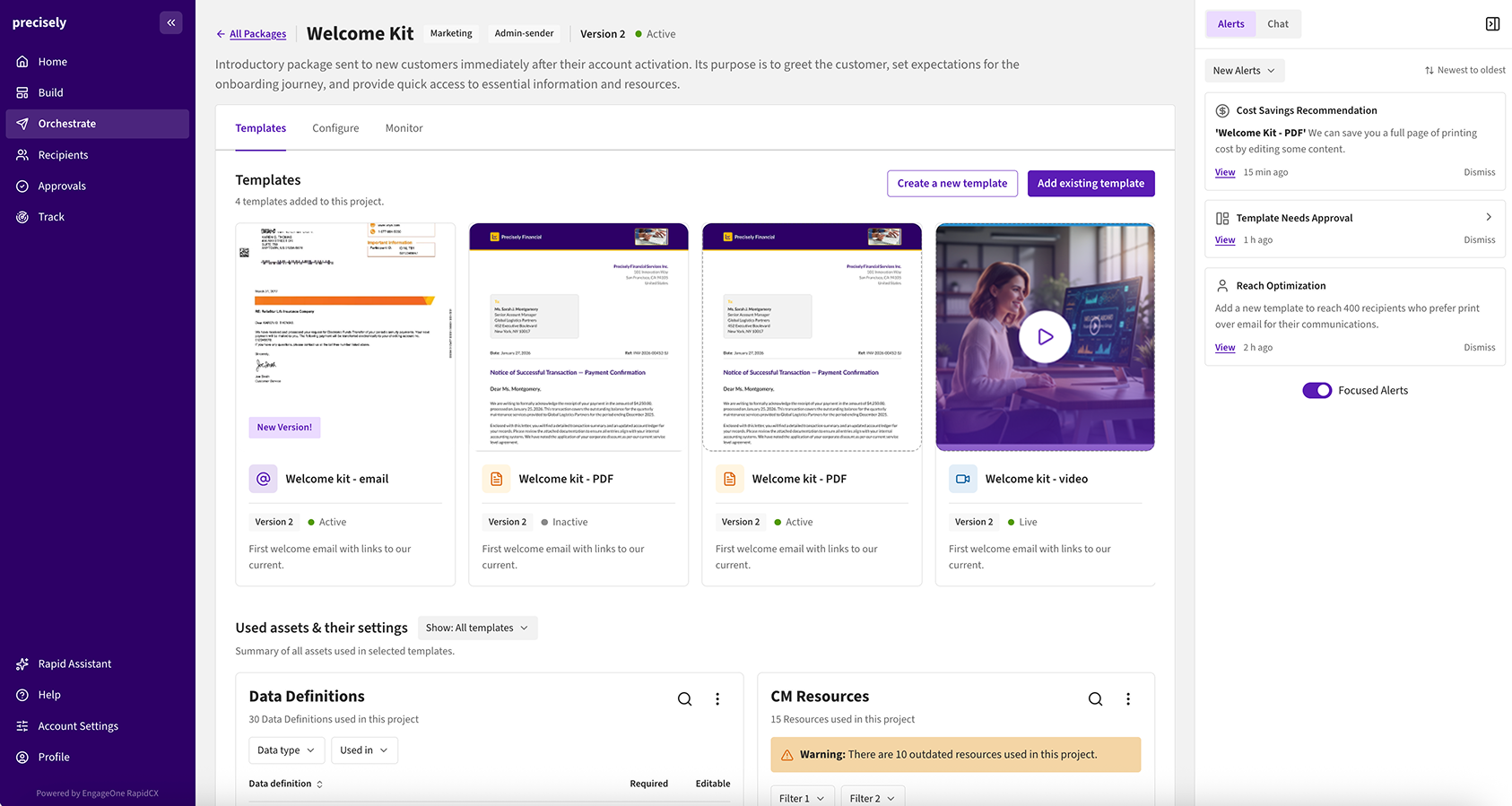
A battle-tested on-premises CCM platform built over two decades for highly regulated industries needed to make the leap to SaaS — without losing the power that enterprise customers depended on. The challenge wasn't just modernizing the UI, it was rethinking how a deeply complex product could scale across multiple use cases without overwhelming the people using it every day.
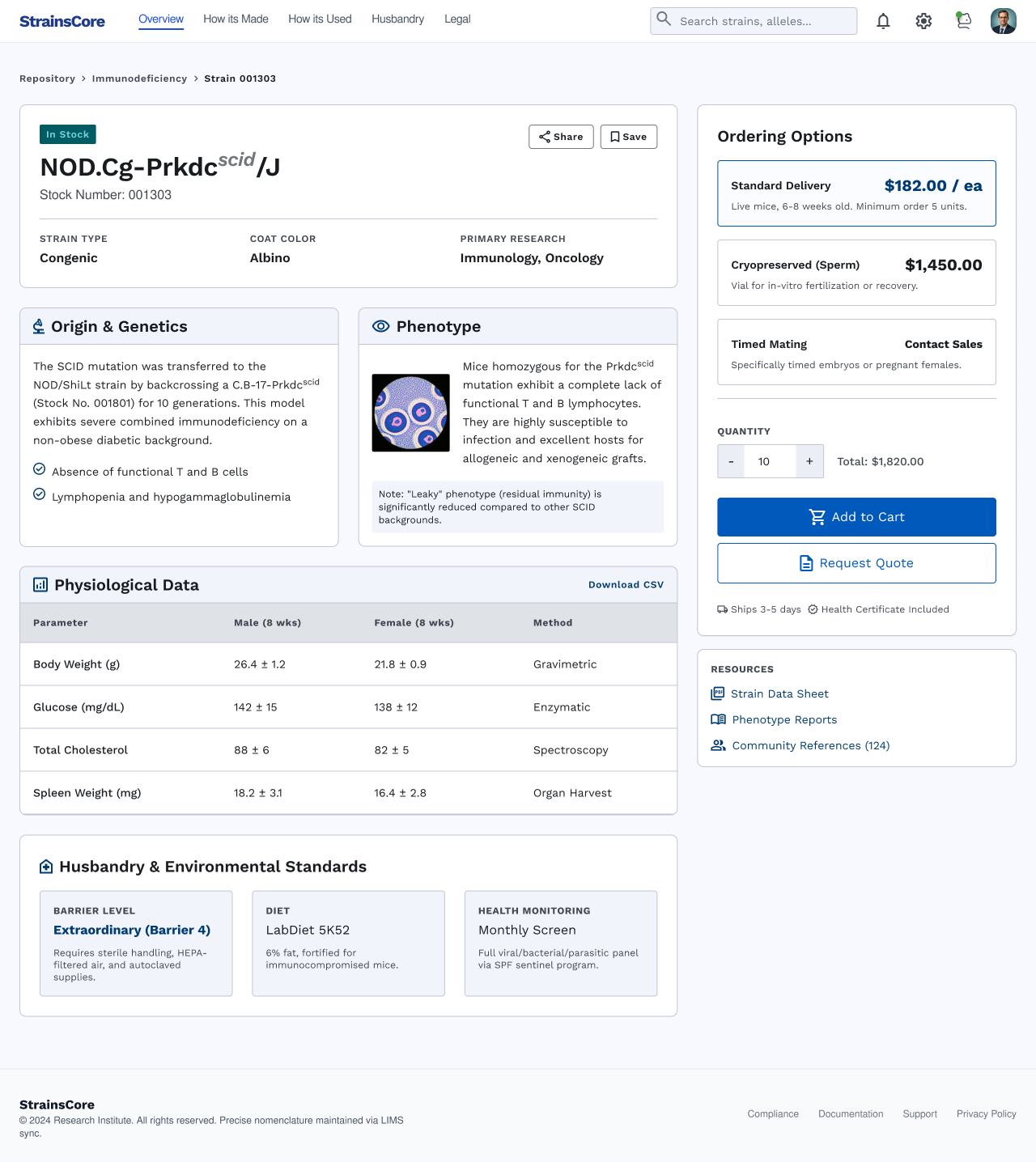
Genetics and genomics researchers needed a procurement experience that understood their domain — complex reagents, compliance requirements, and workflows that didn't map to traditional purchasing systems.
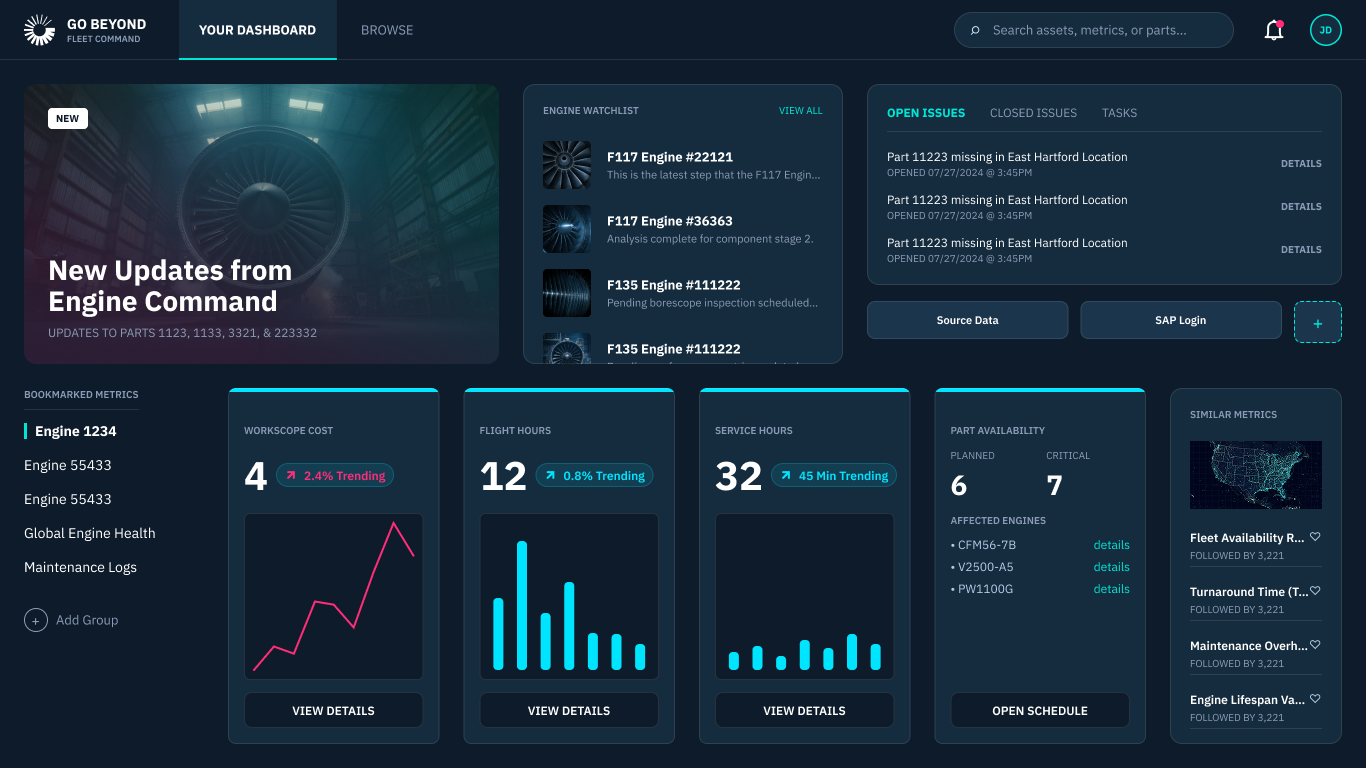
Operations analysts needed to monitor, track, and act on high-stakes data in real time. The existing system showed everything and communicated nothing. The work was as much about information architecture as it was about interface design.
Advertising sales teams at a major sports media company needed tools that matched the speed and complexity of their deals. The challenge was designing for an internal user with high domain expertise and zero patience for friction.
I'm a Product and UX Designer who cares as much about what drives the business as what drives the user.
I've designed for clinicians, engineers, analysts, and operations teams. People who live inside complex tools all day and just need them to work. Good UX in these environments isn't about polish, it's about clarity. The challenge can often be earning and maintaining trust with engineers, product managers, and executives to actually fix the right things, and bringing those perspectives together is where I do some of my best work.
I've led design teams, built systems from scratch, and spent a lot of time in rooms where design didn't yet have a seat at the table. I worked to change that. But I've never stopped loving the craft, a good whiteboard session, a rapid prototype, the moment a complicated flow finally clicks into something clear.
What I bring goes beyond the work itself. I believe the goal was never to be right, it was always to help the team ship something that makes people better at their jobs. Some of my best work came from a PM challenging my assumptions or an engineer catching something I missed. That kind of honest collaboration is what I look for in a team.
Outside of work I'm usually outside with my family, hiking, on the water, anywhere without a screen. There's something about navigating the outdoors together that I never get tired of. It keeps me grounded in a way that quietly makes me better at everything else.
Complex products fail when designers solve visible symptoms. I start with the business model, the user's mental model, and the gap between them. That context shapes every decision.
In enterprise B2B, polish is table stakes. The real work is making complicated things feel obvious — removing the friction people have stopped noticing because they've learned to work around it.
I've learned more from PMs challenging my assumptions and engineers pointing out what I missed than from any solo design session. Collaboration isn't a value — it's how good products get made.
Getting it right matters more than being right. I'm not designing for my portfolio — I'm designing for the person who has to use this product to do their job every single day.
If you're building something complex and need a designer who'll go all the way in, let's talk.
"An enterprise Product and UX Design Strategist who cares as much about what drives the business as what drives the user, partnering across teams to design complex B2B experiences where getting it right isn't about credit, it's about impact."